
5 Ways Horticultural LEDs Have Changed in the Last 8 Years
Eight years ago, horticultural LEDs were beginning to gain traction as ‘the future of lighting’ They were efficient, they ran cooler, but they were expensive!
The LED fixtures being installed in today’s facilities are not the same products that entered the market back then. In the past five to eight years, horticultural LEDs haven’t just improved, they’ve matured into precision cultivation tools built for performance, consistency, and payback.
At Aelius, we have seen this shift firsthand, both in how we design and price our fixtures and in how growers evaluate their performance. Let’s dive into the top five transformations LEDs have experienced over the years.
Efficacy
Eight years ago:
- ~ 1.7–2.2 µmol/J was considered strong
- Efficiency gains were noticeable, but not always enough to justify the investment
Today:
- ~ 2.8–3.2+ µmol/J is standard for high-performance fixtures
- More photons per watt means more light delivered for the same, or less, energy input
What changed:
- Advancements in diode technology
- Improved driver efficiency
- Better thermal management maintaining output over time
At Aelius, this shift has been central to product development to ensure that efficiency gains translate into real operating cost reductions for cultivators, not just better specs on paper.
Light Distribution
Earlier LED fixtures often produced:
- Uneven light spread
- Inconsistent canopy performance
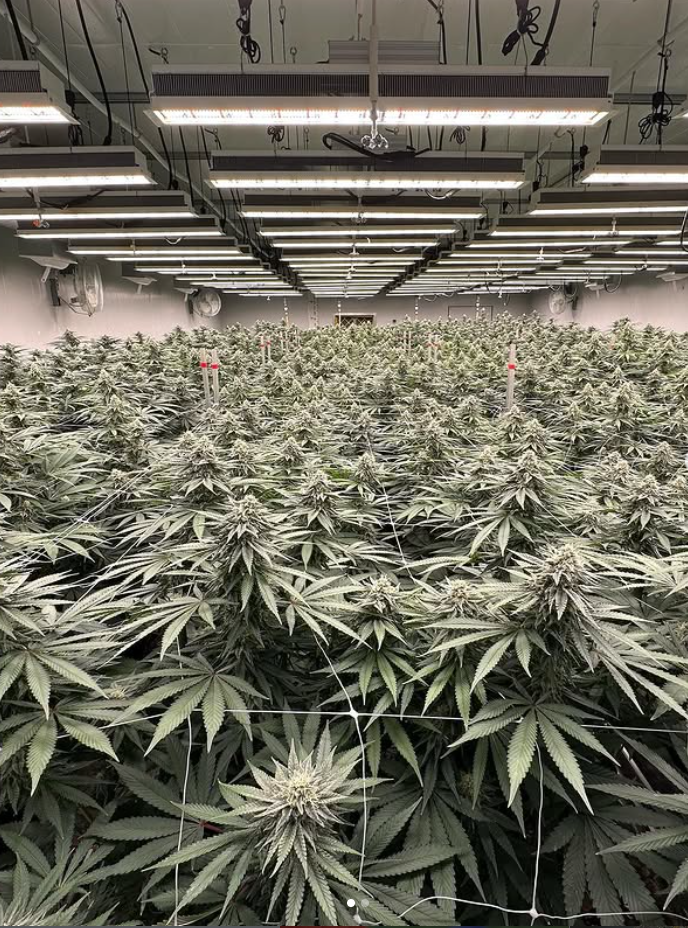
Modern designs focus on:
- Uniform PPFD across the entire canopy
- Optimized diode placement and fixture geometry
- Reduced reliance on overlapping layouts
Why it matters:
Uniform light drives consistent growth, and consistency drives predictable yields.
This is an area where we’ve placed significant emphasis at Aelius. We design fixtures that prioritize even distribution across real-world grow environments, not just peak output at the center.
Spectrums
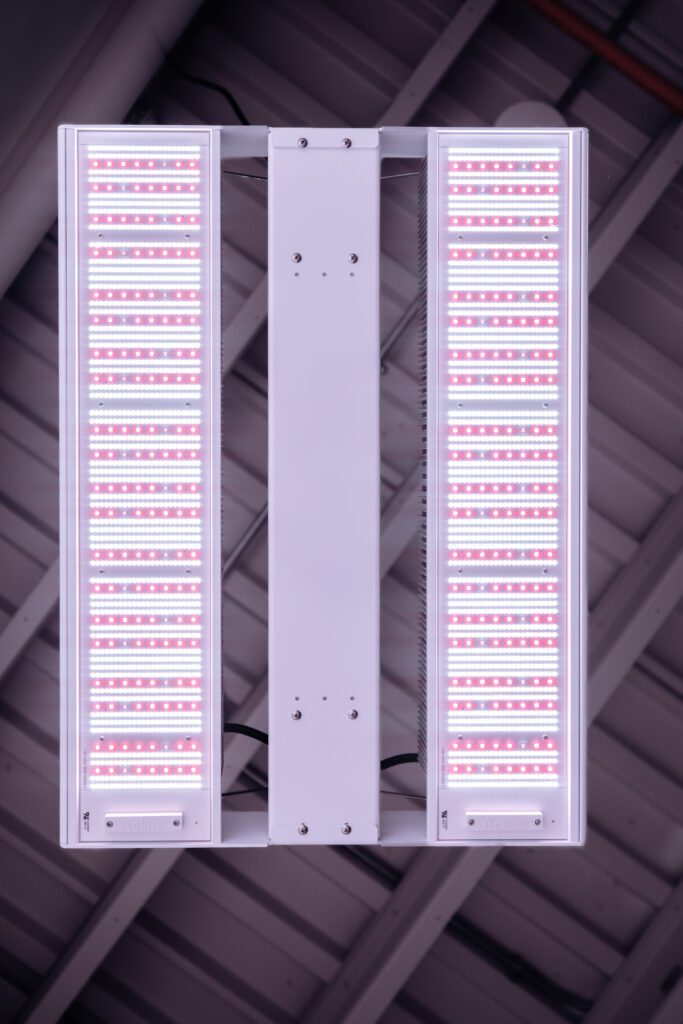
Eight years ago:
- “Full spectrum” was the innovation
- “Blurples” were commonplace
- Most fixtures followed similar spectral profiles
Today:
- Spectrums are engineered to influence specific plant responses
- Structure and morphology
- Flowering behavior
- Quality and secondary metabolite development
The industry moved from:
“Does this spectrum grow plants?”
TO
“What does this spectrum do to the crop?”
At Aelius, this evolution is reflected in how we approach spectral design, focusing on practical performance outcomes, not theoretical blends.
Cost Horticultural LEDs
Eight years ago:
- LEDs carried a clear upfront premium
- Payback periods were longer and less predictable
- Adoption was often driven by efficiency goals, not financial certainty
Today:
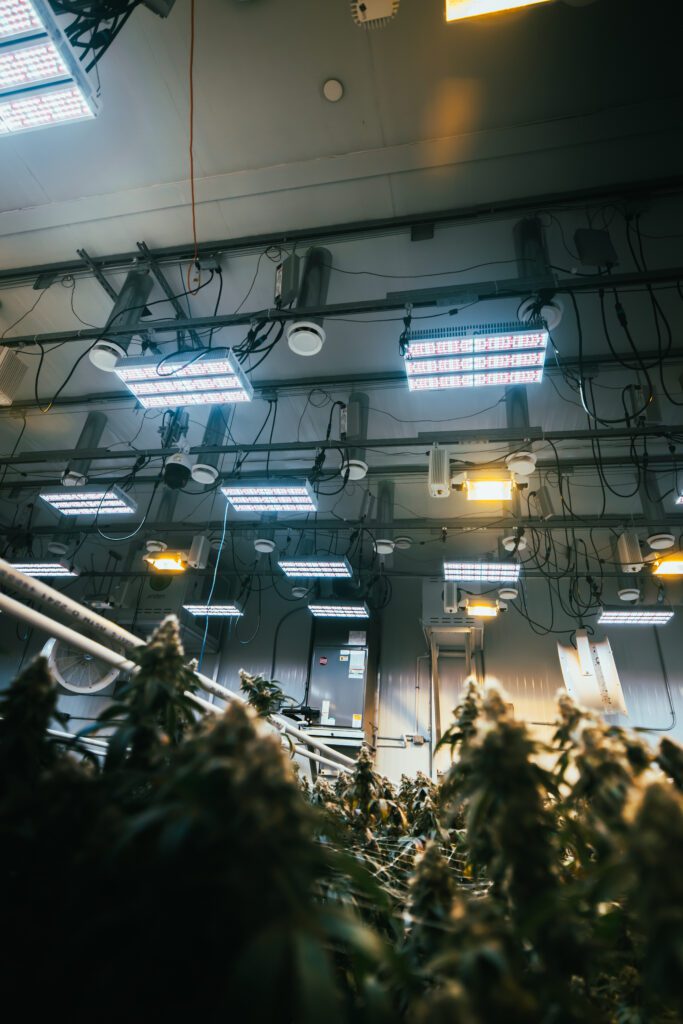
- Cost per µmol has dropped significantly
- Higher efficacy and better distribution mean fewer fixtures can achieve target outputs
- Incentives and rebates further reduce upfront cost
What changed:
- Scaled diode manufacturing
- Product standardization across the industry
Better system-level performance (not just fixture-level specs)
Form Factor & Build
Earlier fixtures:
- Bulkier designs
- External drivers
- More complex installation and cleaning
Modern fixtures:
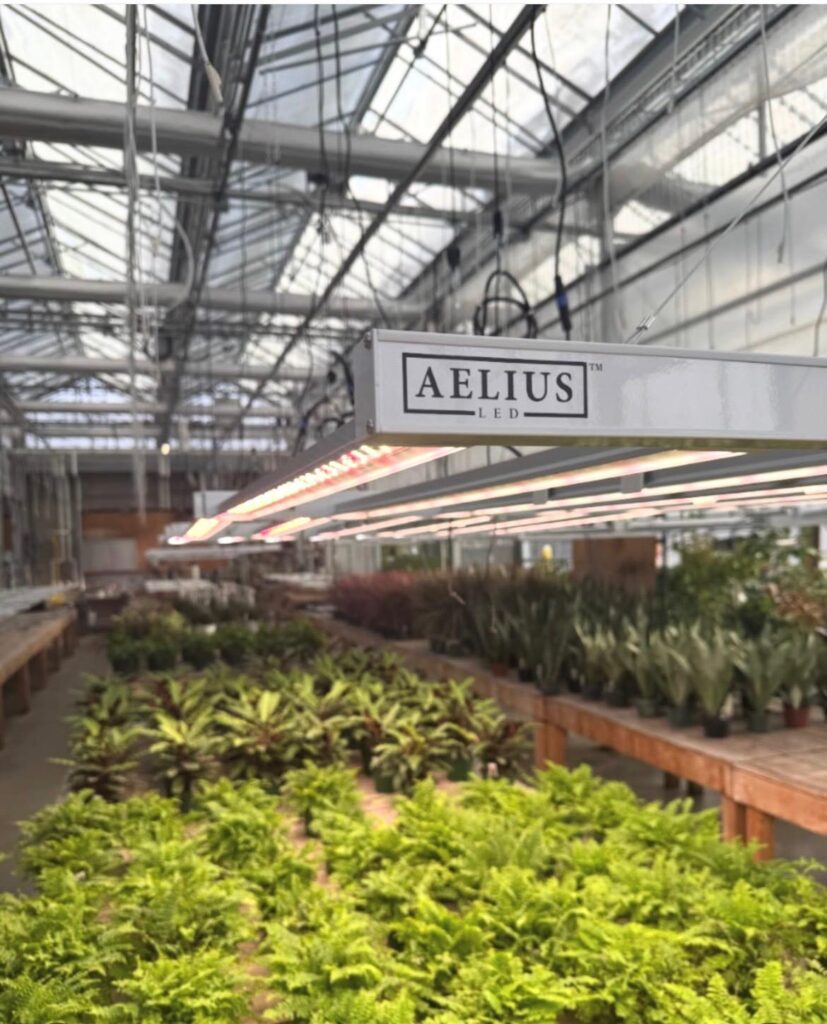
- Slim, low-profile construction
- Flexible driver configurations
- Folding fixtures for decreased shipping costs
- Designed for easier install, cleaning, and maintenance
At Aelius, durability and serviceability are core considerations because lighting systems need to perform over years of operation, not just at installation.
What This Means for Growers
The gap between early-generation LEDs and today’s systems is not incremental, it’s operational.
Modern systems deliver:
Higher efficiency, better uniformity, more targeted spectra, lower maintenance requirements, greater control over crop outcomes, all at a lower cost and shorter payback period.
Which ultimately means:
Growers using todays LEDs have more predictable performance and a tighter control over operating costs.
Lighting decisions have always impacted yield. Now they also define efficiency, consistency, and long-term profitability.
And in a market where margins matter, the difference between generations of LED technology isn’t subtle, it’s measurable.
About Aelius LED
Aelius LED is a global supplier of premium Horticultural LEDs for all stages of a plant’s life cycle. Aelius aims to help cultivators worldwide realize the true genetic potential of their crops by providing results-driven Horticultural LEDs designed to master commercial cultivation. Aelius LED is dedicated to the discovery of new technology and contributing to growth of the controlled environment agriculture industry.
We have extensive experience helping growers secure the best rebate opportunities across the country, and we can do the same for you.