

Microplastics in Grow Rooms: How Heat Affects Plastics in Under-Canopy Lighting
Why Under-Canopy Materials Matter for Commercial Grow Rooms
Under-canopy lighting has become a game-changer for commercial cultivators, helping drive consistent yields, increase canopy penetration, and improve energy efficiency. But with fixtures installed close to plants, heat exposure can create a lesser-known risk: the potential for plastics to break down over time and release microplastics into the grow environment.
While the science on microplastics in agriculture is still evolving, there’s enough evidence from high-heat industrial and food safety studies to help growers make smarter and not just cheaper choices when it comes to lighting materials.
How Heat Can Affect Plastics in Grow Rooms
Research shows that many common plastics start to break down more rapidly when surface temperatures exceed 60–80 °C. While ambient canopy temperatures are typically lower, fixture housings, lenses, or connectors can run much hotter if not properly engineered and it can cause:
1. Softening and Warping
Prolonged exposure to heat from drivers or LED boards can cause plastics like polycarbonate, acrylic, or ABS housings to soften or deform.
- This can lead to distorted lenses or housings, affecting light distribution and PPFD uniformity.
- Warping may also compromise seals or IP ratings, allowing moisture and dust ingress — a real problem in high-humidity grow environments.
2. Surface Degradation and Cracking
Heat accelerates polymer oxidation, especially when combined with humidity and UV radiation. Over time, this causes plastics to become brittle and crack, shedding microscopic fragments.
- These fragments contribute to microplastic contamination in the air and on plant surfaces.
- Once airborne, they can circulate through HVAC systems, potentially settling on leaves, substrate, or water reservoirs.
3. Release of Additives and Volatile Compounds
Fixture plastics can contain additives such as flame retardants, plasticizers, and stabilizers to enhance durability and safety. Under heat stress, these compounds can off-gas or leach into the surrounding air.
- This can contribute to a subtle “plastic” odor when fixtures run hot.
- More concerning, volatile organic compounds (VOCs) or fine particulates may enter the air column, interacting with sensitive crops or filtration systems.
- Over long durations, this degradation can even affect the clarity and optical performance of lenses, reducing overall fixture efficiency.
Which Plastics Are Used in Lighting and How They Perform
Different plastics respond differently to heat. Here’s a breakdown of materials commonly found in lighting and their relative risk for microplastic release:
| Material | Heat Resistance | Risk of Degradation | Recommended Use |
| PET, PP, LDPE | Moderate; degrade above 60–80 °C | Moderate risk under sustained heat | Use only if rated for higher temps |
| Polystyrene (PS) | Poor; brittle at moderate temps | High risk | Avoid in lighting housings |
| Polycarbonate (PC) | Strong, but needs heat stabilizers | Moderate risk if untreated | Use only heat-rated, stabilized PC |
| PTFE (Teflon) | Excellent; stable up to 260–300 °C | Very low risk | Ideal for high-heat components |
| Glass | No heat degradation | Zero microplastic risk | Best for lenses or diffusers |
Action Steps for Commercial Cultivators
When choosing under-canopy grow lights, here’s what to ask manufacturers to ensure safety and long-term durability:
- Material Specifications: Request detailed information on housings, lenses, and coatings.
- Heat Ratings: Confirm that all plastics can withstand the highest expected operating temperatures.
- Glass or High-Temp Poly Carbonate for Hot Zones: Where possible, opt for materials that remain stable even under sustained heat.
- Independent Testing & Certifications: Look for industry-backed certifications for extra peace of mind.
- Warranty Coverage: A strong warranty signals confidence in material durability.
Why This Matters for Under-Canopy Lighting
Under-canopy lights sit closer to the plant canopy and sometimes in more restricted airflow conditions than overhead lighting. That makes heat management and material quality essential, not only for safety but also for the lifespan and performance of the fixtures themselves.
High-quality materials reduce:
- Risk of microplastic release
- Fixture discoloration or warping
- Long-term maintenance costs
Key Takeaways for Grow Room Safety
- Heat, not UV, drives plastic degradation in modern under-canopy LED systems.
- Many plastics begin degrading above 60–80 °C; confirm materials are rated for these conditions.
- Glass or high-performance polymers offer the best long-term durability.
- Proactive material choices protect crops, workers, and equipment investments.
Final Thoughts: Safe Lighting Builds Better Yields
For today’s commercial cultivators, under-canopy lighting offers proven benefits, but fixture quality goes beyond spectrum and efficiency. By prioritizing heat-stable, durable materials, growers can safeguard both plant health and product integrity while extending equipment life.
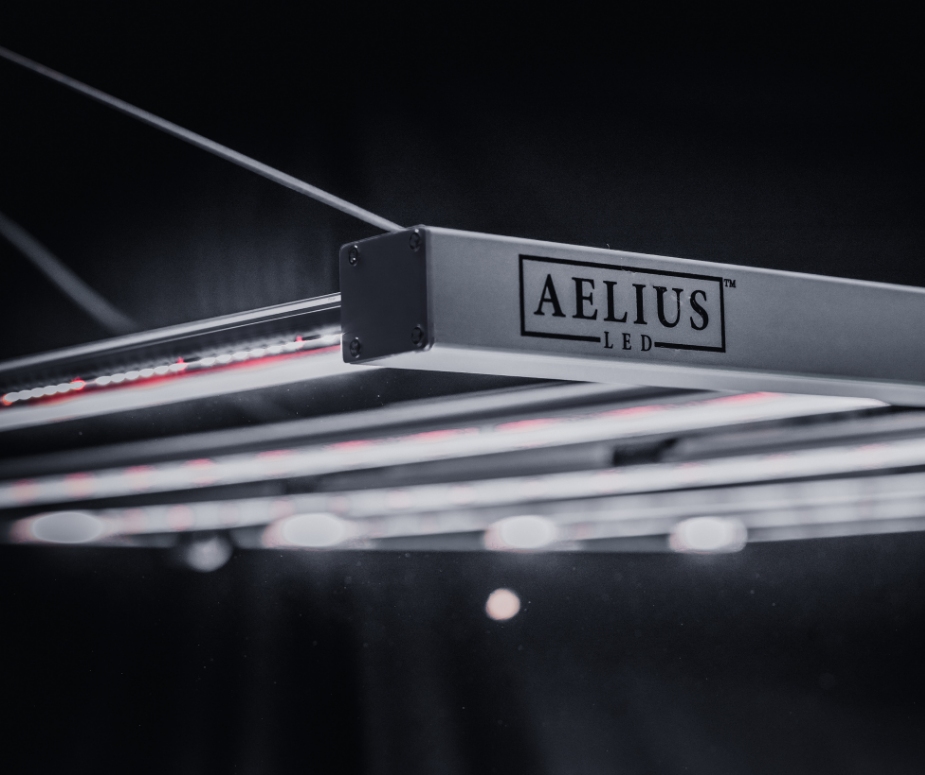
At Aelius LED, every fixture is designed with material safety, performance, and long-term reliability in mind, so cultivators can focus on what really matters: consistent, high-quality production.

Subscribe to our newsletter to be the first to know about our new under-canopy lighting.